All About Inficycling
What Can be Inficycled?
You may have heard that some plastics are harder to recycle than others. This is true! Some facilities can’t recycle certain types of plastics due to their complex material makeup. In general, different types of plastics are categorized by number what material they’re made of. These numbers can help you identify which plastics you can recycle. At Alterra we are able to recycle these plastic types as a mixture while traditional recycling cannot.
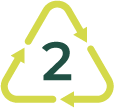
High-density polyethylene
HDPE is made with long unbranched polymer chains. It’s strong, thick, relatively hard, and resistant to impact. It can be subjected to temperatures of up to 120°C without being affected.
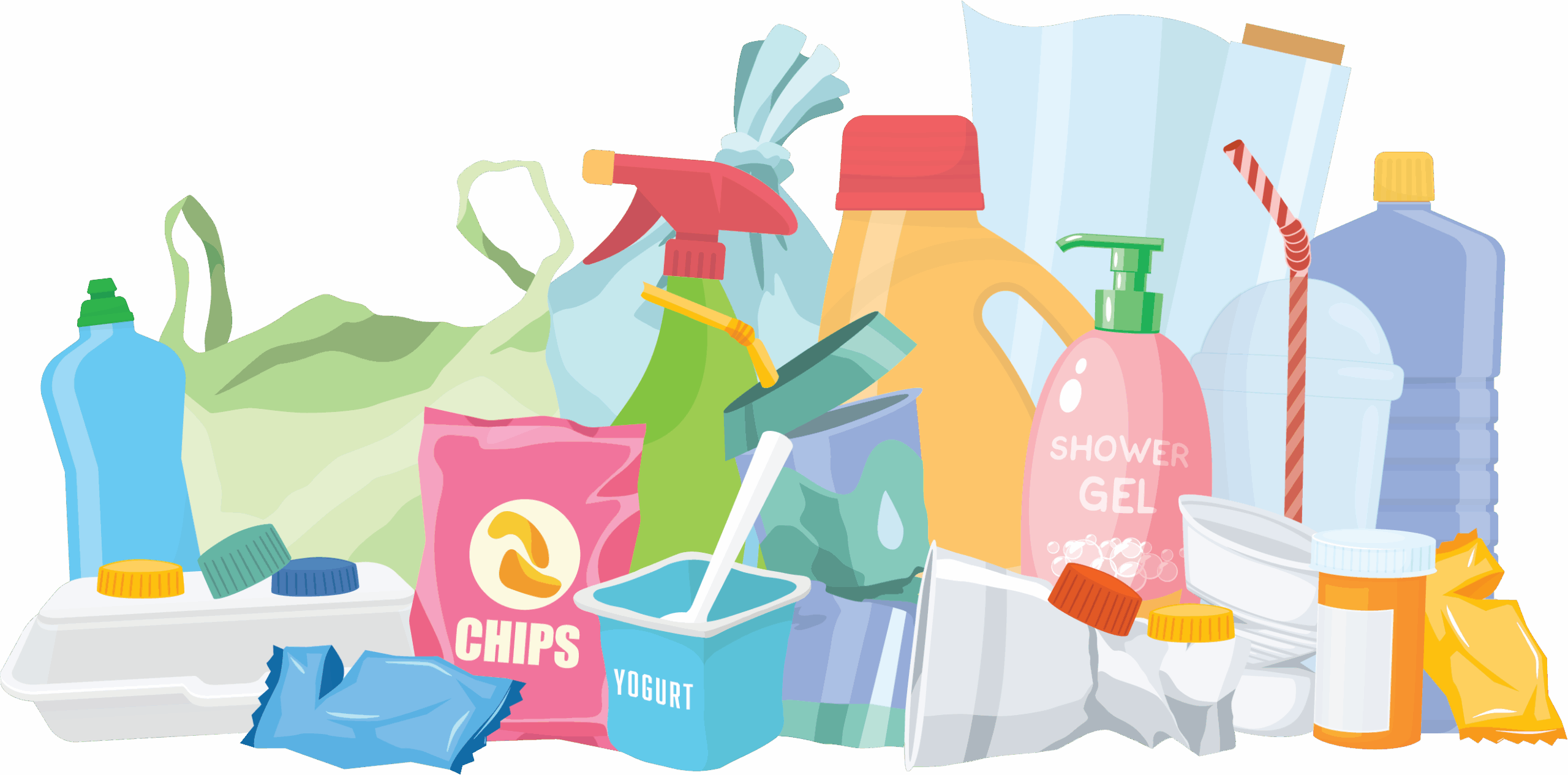
Examples: Milk jugs, grocery bags, detergent bottles, cleaning products, kids toys, vehicle fluid bottles, bleach bottles, beauty product containers.
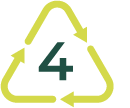
Low-density polyethylene
LDPE is characterized by branched polymer chains, giving this resin a thinner and more flexible design. It has the simplest structure of all plastics, making it easy and cheap to produce.
Examples: snack bags, grocery bags, cling wrap, squeeze bottles, computer components, caps and closures, some plastic gloves, single-use containers.
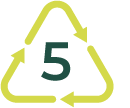
Polypropylene
Polypropylene is a semi-rigid, cost-effective, and tough thermoplastic linear hydrocarbon polymer resin that offers excellent chemical, electrical, and fatigue resistance at high temperatures.
Examples: yogurt containers, plastic storage containers, power tools, kids toys, car parts, food packaging, Tupperware, medical devices and instrument panels.

Polystyrene
PS can be solid or foamed. It is a very inexpensive resin per unit weight and is easy to create; for these reasons it can be found in many products.
Examples: beverage cups, take-away containers, insulation, packing materials, egg cartons, packing peanuts, disposable dinnerware, CD and DVD cases.
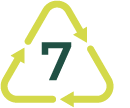
Other Plastics
If plastic cannot be identified in the four types mentioned then it will be included in group number 7. The best is known plastic of this group is nylon.
Examples: Safety goggles, sunglasses, CDs and DVDs.
Did you know?
With Inficycling™, we can accept more types of plastic than traditional recyclers — making hard-to-recycle plastics useful again instead of sending them to a landfill.
How Can I help?
The rules for recycling can vary from state to state, making it seem complex at times. However, we are here to simplify things for you. Here are 7 easy tips to help you stay informed and navigate recycling in your area effortlessly.
The rules for recycling can vary from state to state, making it seem complex at times. However, we are here to simplify things for you. Here are 7 easy tips to help you stay informed and navigate recycling in your area effortlessly.
Always check with your local recycling program to learn their rules and guidelines first. What your program will and will not accept may vary, even throughout the same city. Be sure you’re recycling according to your community’s program!
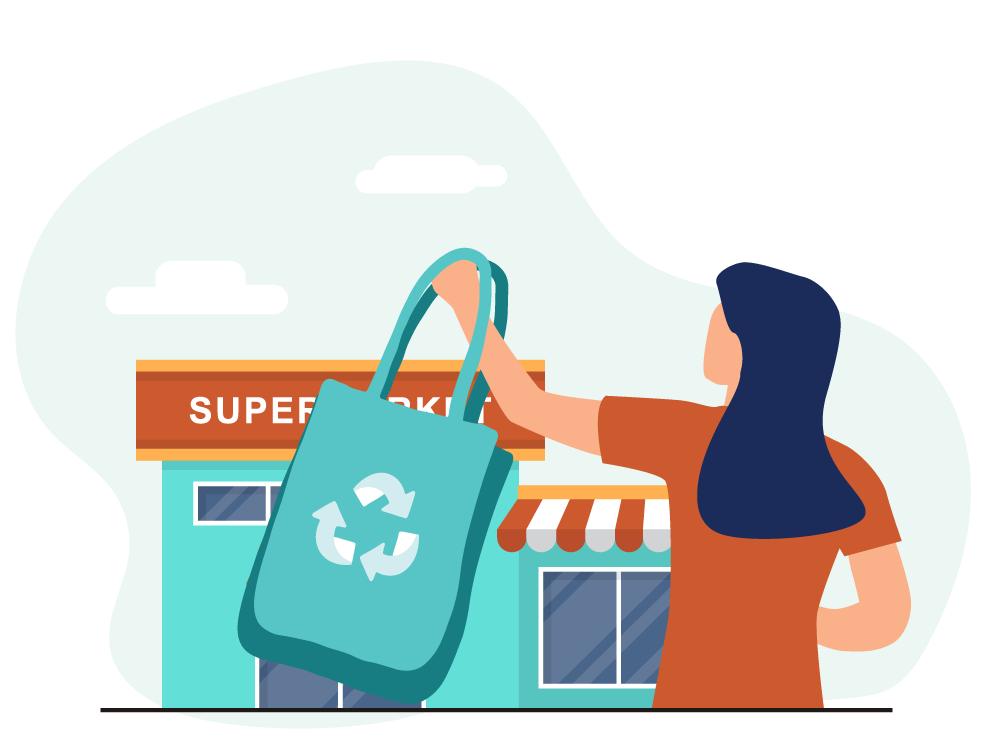
Plastic grocery bags are not typically collected by curbside recycling, but many grocery stores have collection bins where you can bring back your used bags for special recycling.

Screw bottle caps back onto your plastic bottles before recycling. Make sure they’re secure so they don’t get lost on the way to the recycling facility or in spaces in recycling equipment.


Finally, when in doubt, leave it out. Unfortunately, the wrong kinds of plastic or items that cannot be recycled can contaminate a valuable load of otherwise recyclable plastics. Check with your recycling program for next time and leave questionable items out of the bin.
Glossary of Keywords
The future of plastics recycling is easier to understand when you know the important terms. We’ve put together this glossary to help you learn the meanings of these key words.
Circular Economy:
An economic system based on designing the entire lifecycle of products and conserving product resources so they can be reused or recycled in a way that significantly reduces waste and pollution.
Circularity:
Circularity is the ability to more efficiently use plastic (or any resource) by keeping material in use for as long as possible, getting the most we can from them during use, and then recovering them to make new products.
Diversion:
The act of preventing waste from being disposed into landfills and incinerators by directing it instead into the recycling stream.
Feedstock:
Any raw material that can be used to supply or fuel an industrial process or a machine.
Mechanical Recycling:
A process by which waste materials are turned into raw materials without changing the basic structure of the material. What most people think of when they picture “traditional” recycling.
Plastic Circularity:
Plastic circularity technology refers to several different technologies that convert post-use plastics into their original building blocks to create feedstocks for new plastics, fuels, waxes, and other valuable products.
Postconsumer:
The status after an item has been used for its intended purpose. Postconsumer material may be generated by households or commercial establishments.